Introduction to Lighting
Foreword
Introduction
Properties of Light
-Hard Light/Soft Light
Colour Temperature
-White Balance
Film Lights
-Redheads & Blondes
-HMIs & Halogens
Three Point Lighting
Intermediate concepts
-Natural Light, Bouncing
-Outdoors, Sharing
-Shadows, Depth
Appendix: Depth Perception
-Binocular Cues
-Monocular Cues
--Relative Size, Interposition
--Clarity, Motion, Light & Shadow
--Texture Gradient, Linear Perspective
About Phillips Mcintosh
Introduction
There are two factors that contribute to capturing and image with a camera: the camera and the lighting.
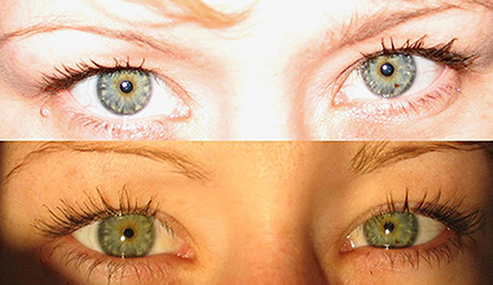 Most modern consumer cameras are capable of producing high quality images in most situations if the subject is lit properly. Professionals use cameras that are more versatile, allowing them to handle the tricky situations. For the majority of scenarios, using proper lighting will have more noticeable results than using a more advanced camera.
The best images are made when everything is brightly lit with good use of lighting and shadow. If this isn’t possibly, make sure that everything is equally bright. This second option is often referred to as flooding the set with light or ‘flat’ lighting. Lastly, the poorest images are captured when no attention is paid to the lighting.
Copyright 2012-13. All rights reserved